10 Hidden High-FODMAP Ingredients in 'Healthy' Products
You’ve committed to the low-FODMAP diet. You’re reading labels carefully. But somehow, products that look safe keep triggering your symptoms. The problem? Many high-FODMAP ingredients hide behind innocent-sounding names — and they show up in products marketed as “healthy,” “natural,” or “gut-friendly.”
Here are 10 of the most common hidden FODMAP triggers, where they hide, and how to spot them.
1. Inulin / Chicory Root Fiber
Why it’s high-FODMAP: Inulin is a fructan — one of the most common FODMAP triggers. It’s extracted from chicory root and added to products as a prebiotic fiber to boost the fiber count on nutrition labels.
Where it hides: Protein bars (Quest, Fiber One), high-fiber cereals, “gut health” yogurts, low-calorie ice cream (Halo Top, Enlightened), fiber supplements.
What to look for on the label: “Inulin,” “chicory root fiber,” “chicory root extract,” “oligofructose.”
2. Garlic Powder
Why it’s high-FODMAP: Garlic is one of the highest-fructan foods. Even small amounts of garlic powder — a fraction of a teaspoon — can trigger symptoms in sensitive individuals.
Where it hides: Seasoning blends, pasta sauce, salad dressings, frozen meals, chips and crackers, deli meats, soup mixes. It’s in almost everything savory.
What to look for: “Garlic,” “garlic powder,” “dehydrated garlic,” and sometimes just “spices” or “seasoning” (which often includes garlic).
3. Onion Powder
Why it’s high-FODMAP: Like garlic, onions are very high in fructans. Onion powder is concentrated, making even tiny amounts problematic.
Where it hides: The same places as garlic — they’re almost always used together. Also common in barbecue sauce, ranch dressing, and stock cubes.
What to look for: “Onion,” “onion powder,” “dehydrated onion,” “onion extract.”
4. Natural Flavors
Why it’s risky: “Natural flavors” is a catch-all term that can include extracts from hundreds of sources — including garlic, onion, celery, and other high-FODMAP ingredients. The FDA doesn’t require companies to specify which natural flavors are used.
Where it hides: Nearly everything. Chips, crackers, beverages, yogurt, frozen meals, sauces.
What to do: If a product lists “natural flavors” and you’re in the elimination phase, assume it could contain garlic or onion unless the manufacturer confirms otherwise. Some companies now label “garlic-free” or “onion-free” specifically for the FODMAP community.
5. Agave Nectar
Why it’s high-FODMAP: Agave is extremely high in excess fructose — the monosaccharide FODMAP. It contains more fructose than high-fructose corn syrup.
Where it hides: “Healthy” energy bars, organic granola, natural sodas, cocktail mixers, health food store products that market themselves as “refined sugar-free.”
What to look for: “Agave,” “agave nectar,” “agave syrup.”
6. Honey
Why it’s high-FODMAP: Honey contains excess fructose (more fructose than glucose), making it high-FODMAP even in small amounts.
Where it hides: Honey-flavored cereals, granola bars, “natural” peanut butter, baked goods, tea blends, cough drops, protein bars, nut mixes.
What to look for: “Honey,” “honey powder,” “honey solids.”
7. High-Fructose Corn Syrup
Why it’s high-FODMAP: The excess fructose is the problem. HFCS has more fructose than glucose, putting it in the same category as honey and agave.
Where it hides: Soda, ketchup, barbecue sauce, bread (especially grocery store bread), salad dressings, canned fruit.
What to look for: “High-fructose corn syrup,” “HFCS,” “corn syrup” (regular corn syrup is mostly glucose and is generally low-FODMAP — it’s the high-fructose version that’s problematic).
8. Sugar Alcohols (Sorbitol, Mannitol, Xylitol)
Why they’re high-FODMAP: Sugar alcohols are polyols — the “P” in FODMAP. They’re poorly absorbed and fermented in the gut, causing gas and bloating.
Where they hide: Sugar-free gum, sugar-free candy, sugar-free chocolate, protein bars, “keto-friendly” products, some medications and cough syrups.
What to look for: “Sorbitol,” “mannitol,” “xylitol,” “maltitol,” “isomalt.” Erythritol is generally considered low-FODMAP and better tolerated.
9. Apple Juice Concentrate
Why it’s high-FODMAP: Apples are high in excess fructose and sorbitol. When concentrated into juice, the FODMAP load increases further.
Where it hides: “No added sugar” products use apple juice concentrate as a sweetener. Common in fruit snacks, dried fruit, cereal bars, children’s snacks, and organic products.
What to look for: “Apple juice concentrate,” “apple juice,” “concentrated apple juice,” “fruit juice blend.”
10. Wheat-Based Ingredients
Why they’re high-FODMAP: Wheat contains fructans. While this isn’t the same as a gluten intolerance (many IBS sufferers can eat gluten-free oats just fine), wheat-based products can be significant FODMAP sources.
Where they hide: Soy sauce (wheat is the second ingredient), breadcrumbs in meatballs and processed meats, thickeners in sauces and soups, couscous (it’s wheat pasta), semolina.
What to look for: “Wheat,” “wheat flour,” “wheat starch,” “semolina,” “durum.” Note that small amounts of wheat (like in soy sauce) may be tolerable depending on your personal sensitivity — work with your dietitian.
How to Protect Yourself
Reading every ingredient list is time-consuming but necessary during the elimination phase. A few strategies that help:
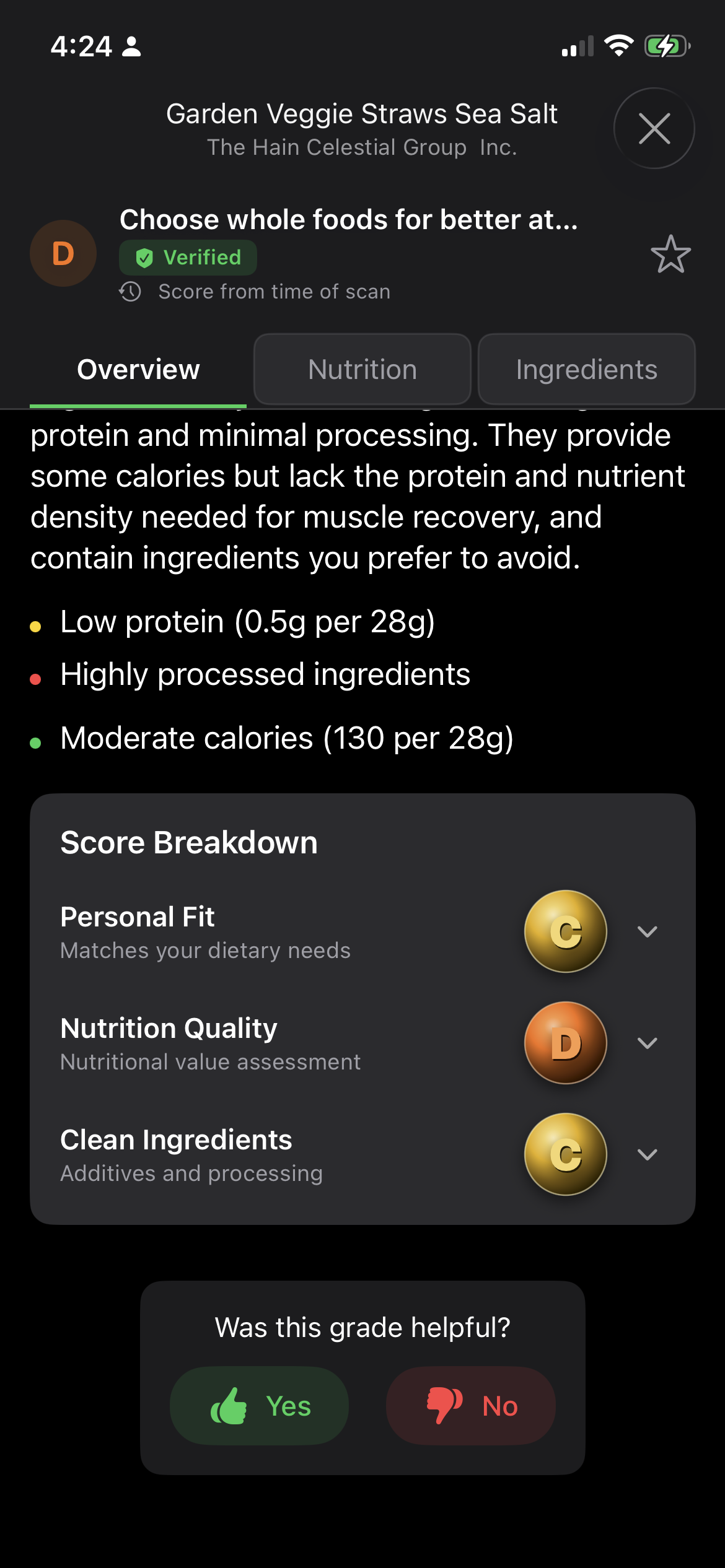
- Use a scanner app: FoodGrader can flag high-FODMAP ingredients automatically when you scan a barcode or snap a photo. It’s not perfect (no app is — “natural flavors” is still a black box), but it catches the obvious triggers before they catch you.
- Shop familiar brands: Once you find products that work, stick with them. Manufacturers change formulations, so re-check periodically.
- When in doubt, skip it: During elimination, err on the side of caution. You can always reintroduce later.
Important Disclaimer
This article is for informational purposes only and is not medical advice. FODMAP sensitivity is highly individual — what triggers one person may be fine for another. Work with a FODMAP-trained registered dietitian to guide your elimination and reintroduction phases. Monash University’s FODMAP app remains the gold standard for serving-size-specific FODMAP data.
Want to scan products for hidden FODMAP triggers? Download FoodGrader free on the App Store.
Make Smarter Food Choices Today
Get personalized food grades based on YOUR dietary needs.
Download FoodGrader Free